Hospitals are the hardest place to run visitor management. You must balance patient access, family emotion, infection control, and privacy law all at once. The wrong system frustrates families. The right one quietly supports care. Here is the pattern that mid-size hospitals actually use.
Design principles for hospital visitor flow
- Respect the patient. Never expose patient identity to a general visitor.
- Cap concurrent visitors per patient in code, not on paper.
- Route restricted wards through explicit nurse approval.
- Make contact tracing a two-minute query, not a two-hour project.
- Keep the flow humane. Families are stressed. The tool must not add friction.
The check-in flow that works
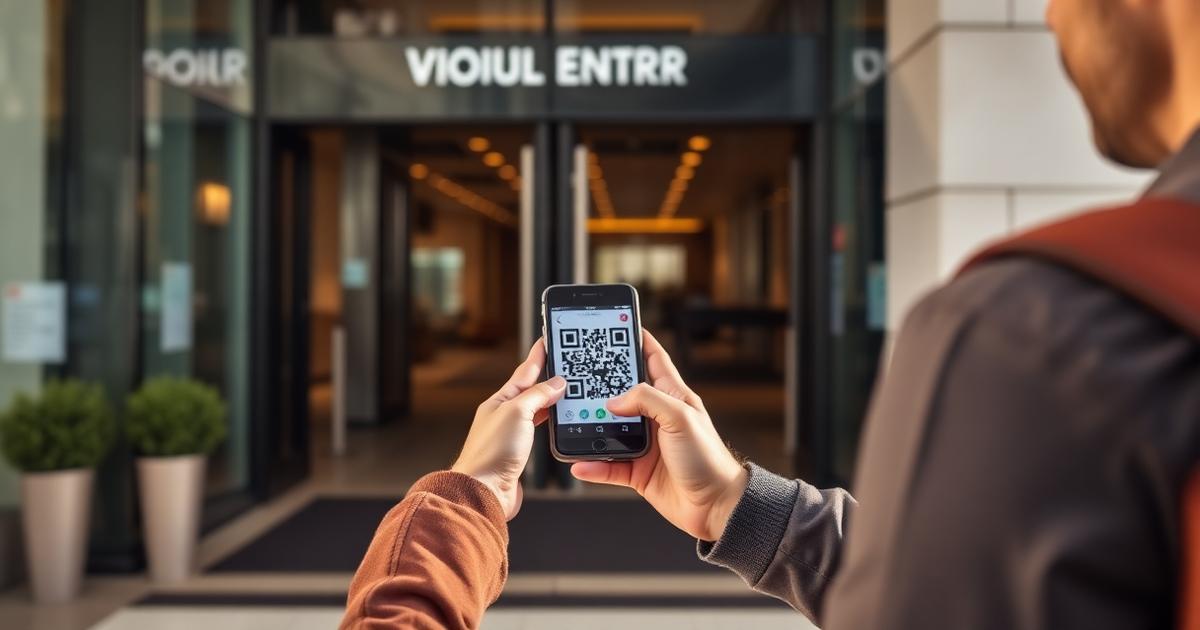
Visitor scans the entrance QR. Enters name, phone, patient reference or bed number, and relationship. System checks how many active visitors that patient already has. If under the cap, approved. If over, gently declined with a note to wait.
Handling ICU and restricted wards
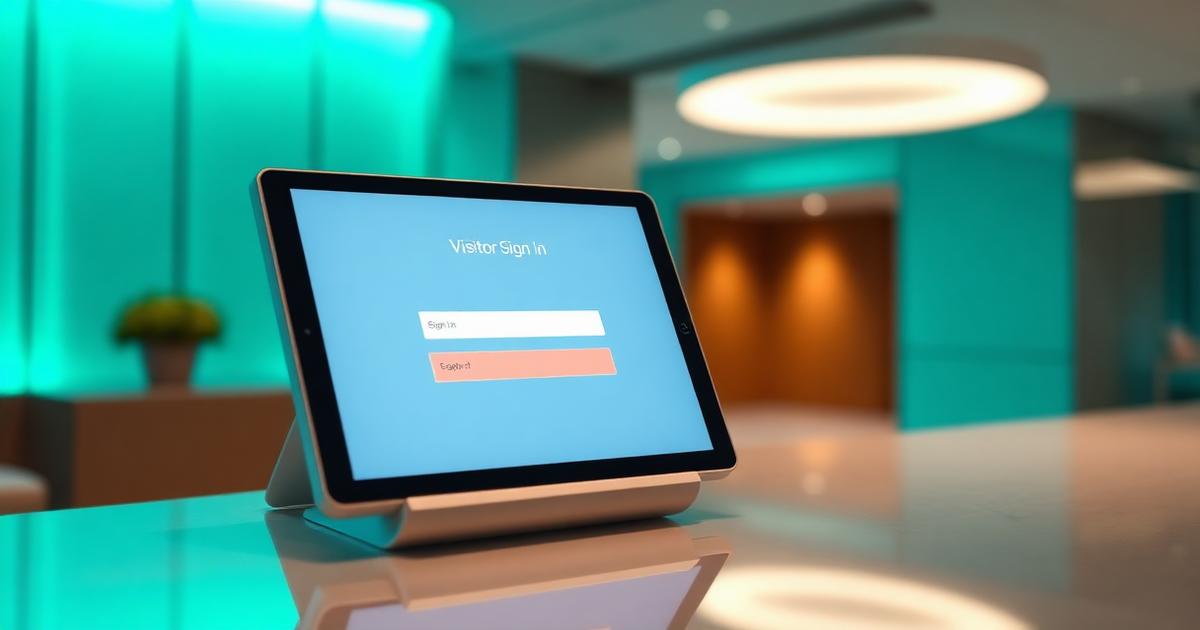
Never auto-approve for restricted wards. Route those visits to the ward station tablet. Nurse in charge sees the pending request with visitor name and relationship, then approves or declines from the ward. Visitor gets an SMS.
Patient identifier privacy
Do not use the patient's real name as the check-in key. Use the bed number or a pseudonymised patient token. The visitor sees the bed number, the system links it to the patient record on the back end.
Contact tracing without a task force
When a positive case is identified in a ward, you should be able to list every visitor to that ward in the exposure window in under two minutes. Then send an SMS to all of them from the same screen. This is the single feature that justifies the whole system to a hospital administrator.
Retention and audit
Twelve months is a common baseline for hospital visitor records. Align with your medical records retention schedule. Every access to a visitor record should be logged and reviewable by the compliance officer.
What to avoid
- Do not require selfies from grieving families. It is not proportionate.
- Do not display a full patient name to visitors ahead of them in queue.
- Do not integrate with the electronic health record unless legally cleared.
- Do not skip the nurse approval step in restricted wards to save time.
The staffing angle
A good hospital visitor system reduces reception staffing by around 40 percent in my experience. That is time that goes back into wayfinding for confused families, which is what reception should actually be doing.
Vendor questions specific to hospitals
- Can you enforce per-patient visitor caps in code?
- Do you support ward-level approvers?
- How fast is contact-trace lookup on my expected volume?
- Do you sign a BAA if we are US-based, or a DPA if we are EU or India-based?
- Is patient identity stored separately from visitor identity?
Making it feel humane
Hospitals are not offices. A cold, corporate check-in screen is worse than paper for families in distress. Use warm language, keep the form under five fields, and make sure the ward nurse can always over-ride the system for a compassionate case. Compassion beats rules every time.
Frequently asked questions
Building QR-based visitor management for offices, factories, hospitals, and residential communities since 2022.