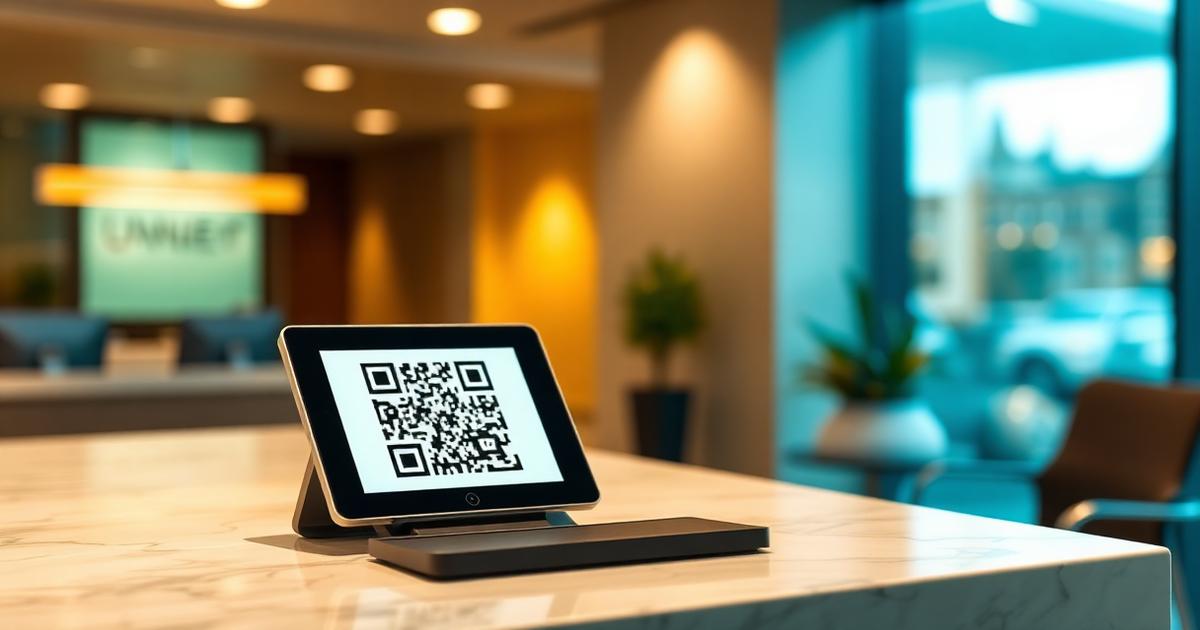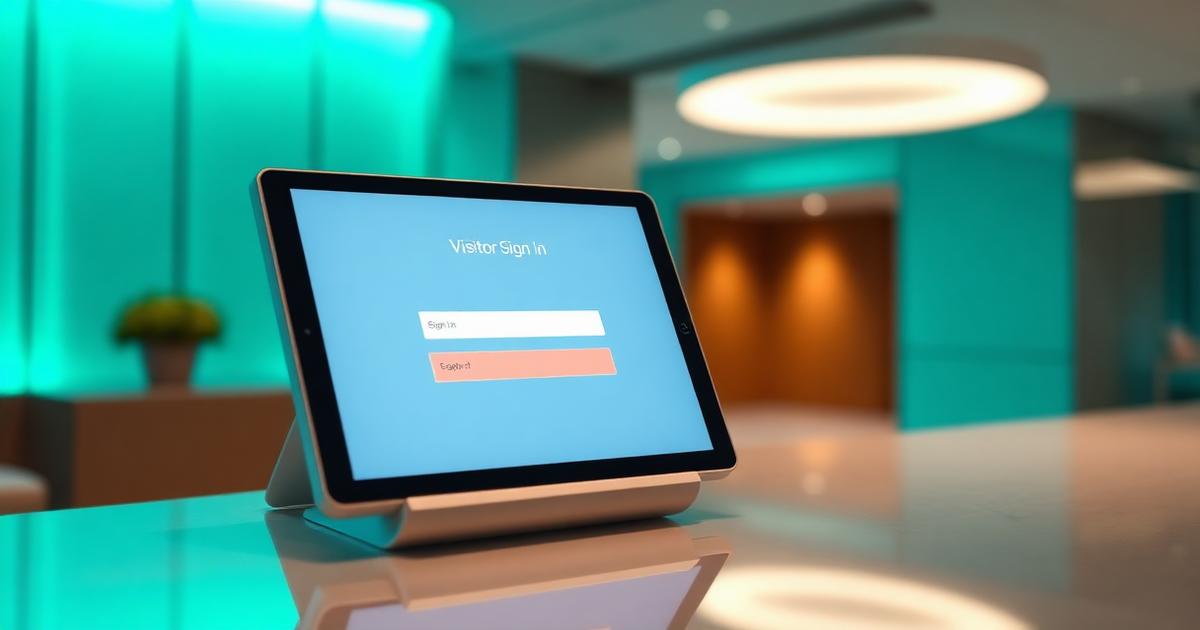
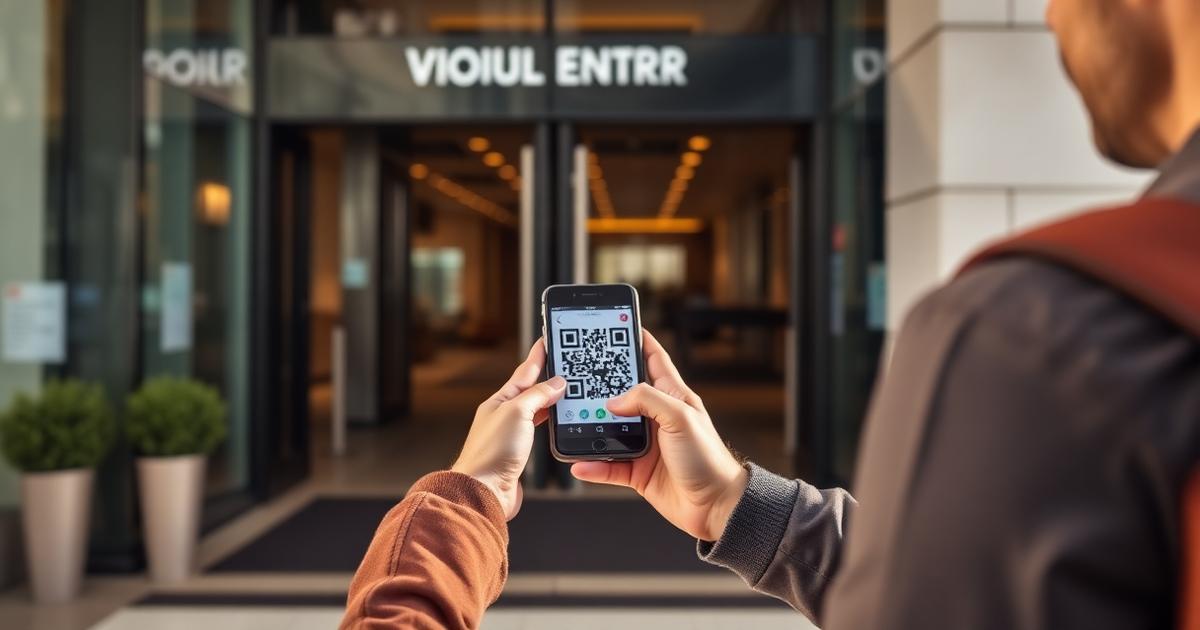
Contactless visitor check-in means the visitor never touches your desk, your pen, or your kiosk. They scan a QR with their own phone, fill a short form, and walk in. In 2026 you can set this up in under ten minutes. Here is the exact recipe.
The ten minute checklist
- Create your site in the visitor management tool.
- Set your site name, logo, and required fields.
- Download the QR poster PDF.
- Print A4, laminate, stick at eye level at the gate.
- Open the guard dashboard on the guard phone. Bookmark it.
- Do a test check-in with your own phone.
- Announce to your team, done.
Why QR beats every other contactless option
NFC needs a permission and works on newer phones. Bluetooth beacons need battery and a background app. Facial recognition needs enrolment. QR needs a phone camera that has existed since 2015. That is the entire market.
What "contactless" really means
It is not just about germs. Contactless removes the shared surface, the queue at reception, and the friction of asking a visitor to hand over an ID. Speed is the real win. Hygiene is the marketing angle.
Common gotchas
- QR posters that are too small or laminated with a glare. Test at gate lighting.
- Forms that ask for too many fields. Every field drops completion.
- Selfie step made mandatory. Make it optional for low-risk sites.
- No fallback for visitors without smartphones. Guard app handles this.
Fallback for visitors without a smartphone
The guard opens the same form on their own phone and completes it on the visitor's behalf. This covers elderly visitors, delivery riders, and anyone whose phone is not cooperating that day. Design for it from day one, not as an afterthought.
Measuring success in the first week
Two numbers matter. Median check-in time from scan to done, and completion rate. A good baseline for a QR flow is 45 seconds median and 90 percent completion. If either is off, look at the form length first, then the guard training, then the poster placement.
Frequently asked questions
Building QR-based visitor management for offices, factories, hospitals, and residential communities since 2022.