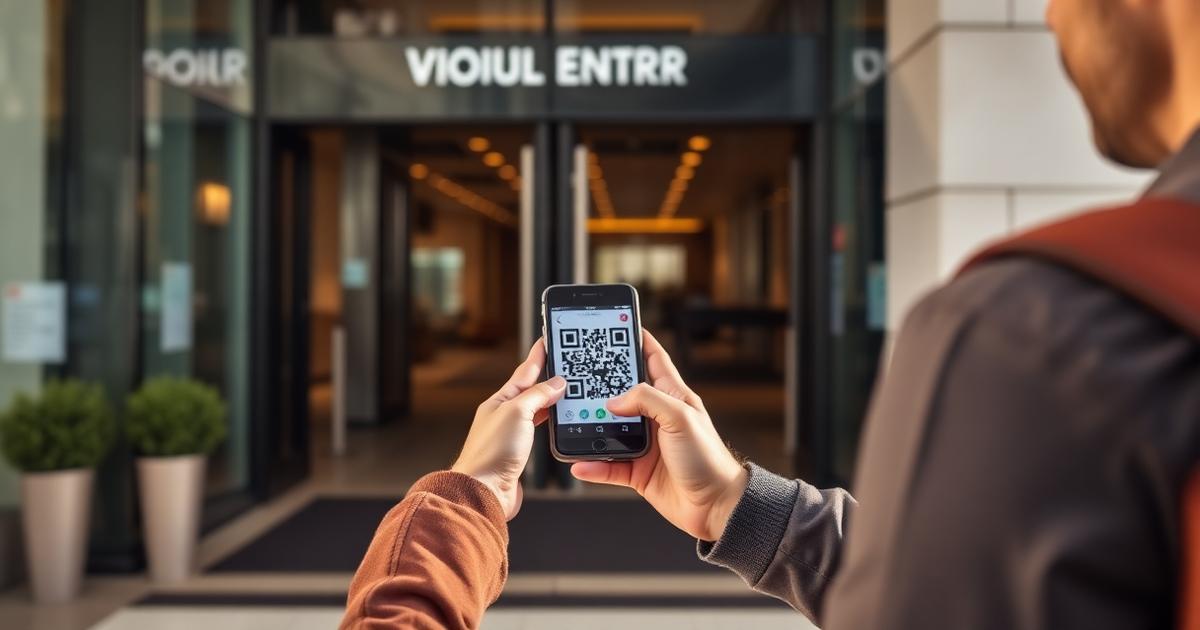
A QR code visitor check-in system replaces the reception logbook with a scannable code at your gate. The visitor points their phone camera at it, fills a short form, takes a selfie, and the record lands on the guard's dashboard in seconds. No app install, no queue, no shared pen.
I have set this up for offices, factories, hospital wings, and residential societies over the last three years. This guide is the version I wish I had when I started. It covers how the flow actually works, what to look for in a system, and the rollout playbook that consistently gets adoption above 90 percent in the first week.
How QR-based visitor check-in works, end to end
The flow has five moving parts and understanding each one saves you from a lot of vendor pitches later.
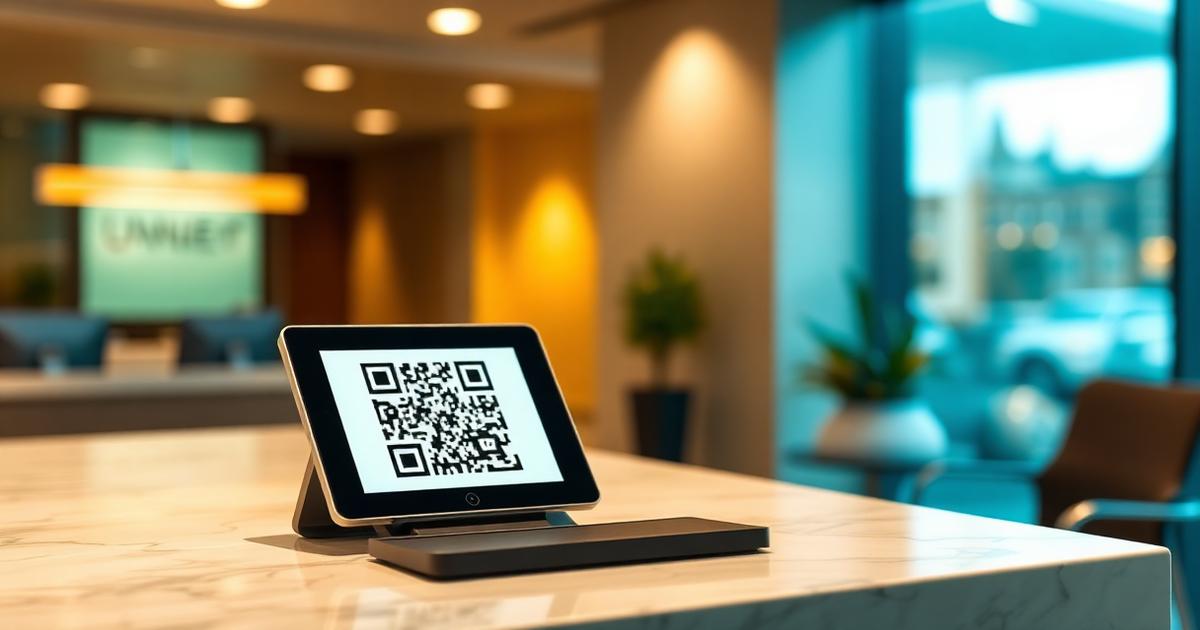
- The gate QR. A printed poster with a QR that encodes a URL like
visitsrecord.com/your-site. One QR per gate is best because it tags every visit with the exact entry. - The visitor form. Opens in the phone's browser. Pre-filled with your site name, logo, and any custom fields you added. No app required.
- The selfie step. The browser asks for camera permission once. The photo is uploaded to your private storage bucket, not the visitor's device gallery.
- The guard dashboard. Every submission lands here in real time. Guard can approve, reject, or promote to VIP.
- The audit trail. Searchable log with retention rules. This is what turns a nice-to-have into a compliance requirement.
What to look for when buying
There is a wide gap between a QR that opens a Google Form and a real visitor management system. Check for these before you commit.
- Server-side rate limiting on the check-in endpoint. Anything less is spammable.
- Site-scoped QR tokens so a screenshot of the QR cannot be reused elsewhere.
- Selfie storage in a private bucket with signed URLs, never public.
- Row-level security in the database so guards see only their assigned site.
- An honest retention control, not just a "delete on demand" button.
Cost expectations for 2026
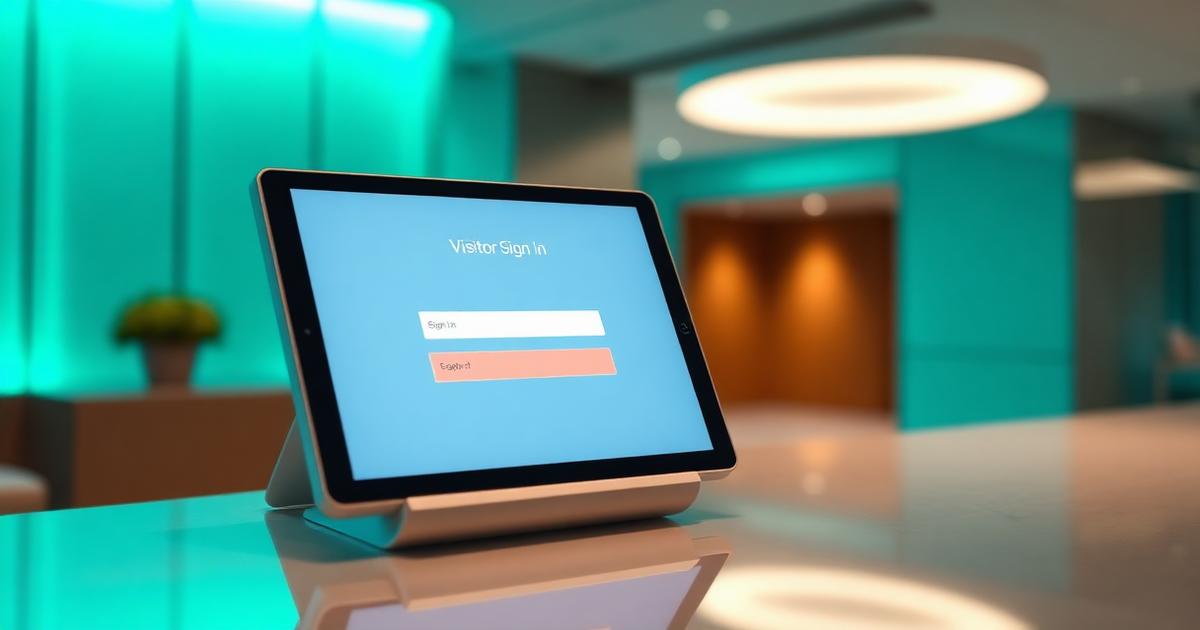
QR-first systems have crashed the price of visitor management. Free tiers cover small sites. Standard paid tiers sit between two and eight US dollars per site per month. Kiosk-first competitors that require a bolted-down iPad still start around one hundred dollars per site because you are paying for hardware too.
The rollout playbook
The technology is the easy part. The rollout is where teams stall. This is the seven-day plan I use.
- Day 1: pick your first pilot gate. Just one.
- Day 2: create the site, print the poster, install on the guard phone.
- Day 3: run the guard through a fifteen minute walk-through.
- Day 4: soft launch with your own team as test visitors.
- Day 5: go live for real visitors. Keep the paper book as a fallback.
- Day 6: watch the dashboard, fix the two or three friction points you see.
- Day 7: retire the paper book at that gate. Move on to the next one.
Common mistakes to avoid
The first mistake is one QR for the whole site. Print one per gate so your reports actually make sense. The second is asking for too much data on the form. Every extra field drops completion. The third is skipping guard training. Fifteen minutes of walk-through saves weeks of adoption struggle.
When QR is not the right answer
For very large enterprise lobbies with badge printing, biometric access, and a staffed reception team, a kiosk-first system may still be a better fit. QR wins on cost, speed, and one-time visitors. It does not win on hardware ecosystems.
For everyone else, and that is most of the market, a QR-first setup will replace the paper register within a week and give you a searchable, private, audit-ready log for the first time.
Frequently asked questions
Building QR-based visitor management for offices, factories, hospitals, and residential communities since 2022.